

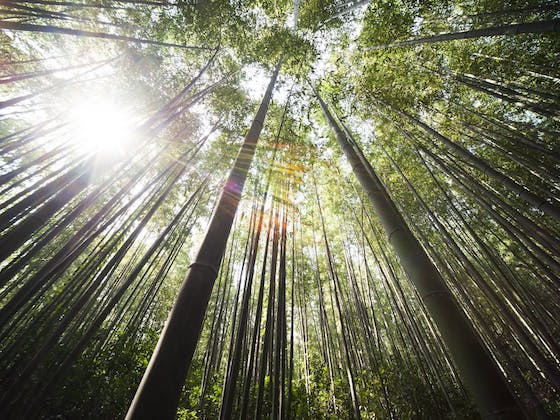
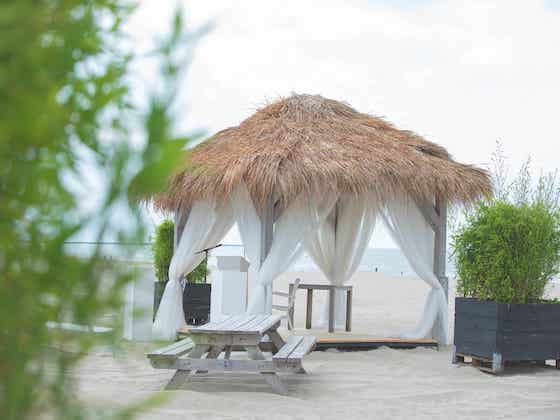
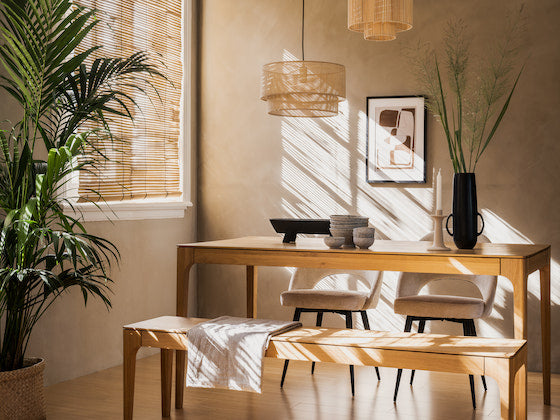





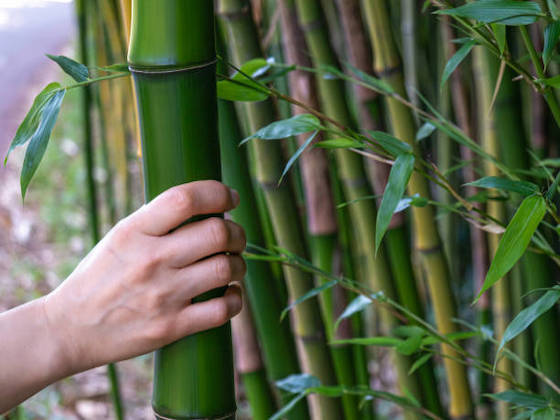




Over the centuries, bamboo has proven to be one of the most versatile natural materials. But only recently is science beginning to unlock why bamboo is so much more than a sustainable alternative: it's a biological masterpiece with applications that are changing the way we look at building, design and ecology - right into our own backyard.

More than "sustainable": The technological power of bamboo
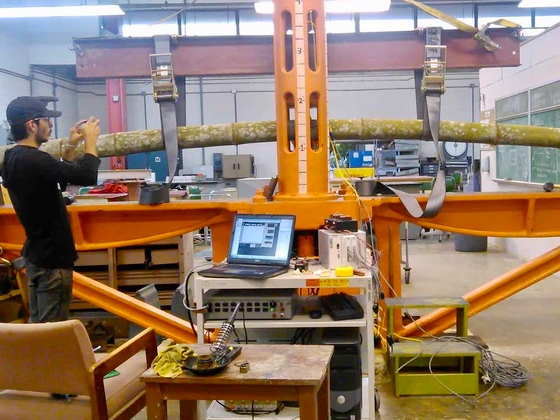
While bamboo is often praised for its rapid growth and renewability, the material is also downright fascinating from an engineering perspective. Bamboo combines low mass with remarkable tensile and bending strength, comparable to steel (up to 370 MPa tensile strength, depending on species and treatment). This is due to its natural fiber structure: a hierarchically constructed system that mimics mammalian bone structures.
Modern materials scientists now study bamboo as a biomimetic model: how can we design buildings, bridges and even robots the way bamboo grows - light, flexible and extremely strong? These insights are increasingly seeping into the design of everyday objects, including garden structures such as screens and mats.
Bamboo screens in outdoor spaces: Functional and biomechanically smart
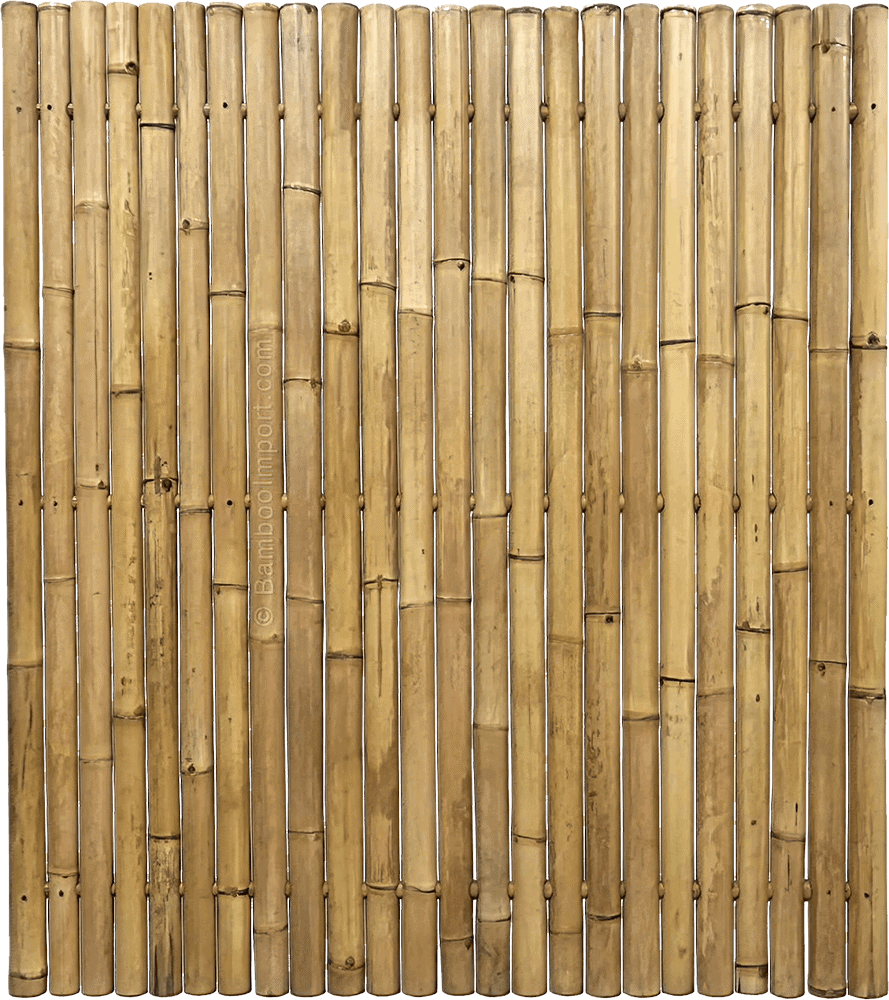
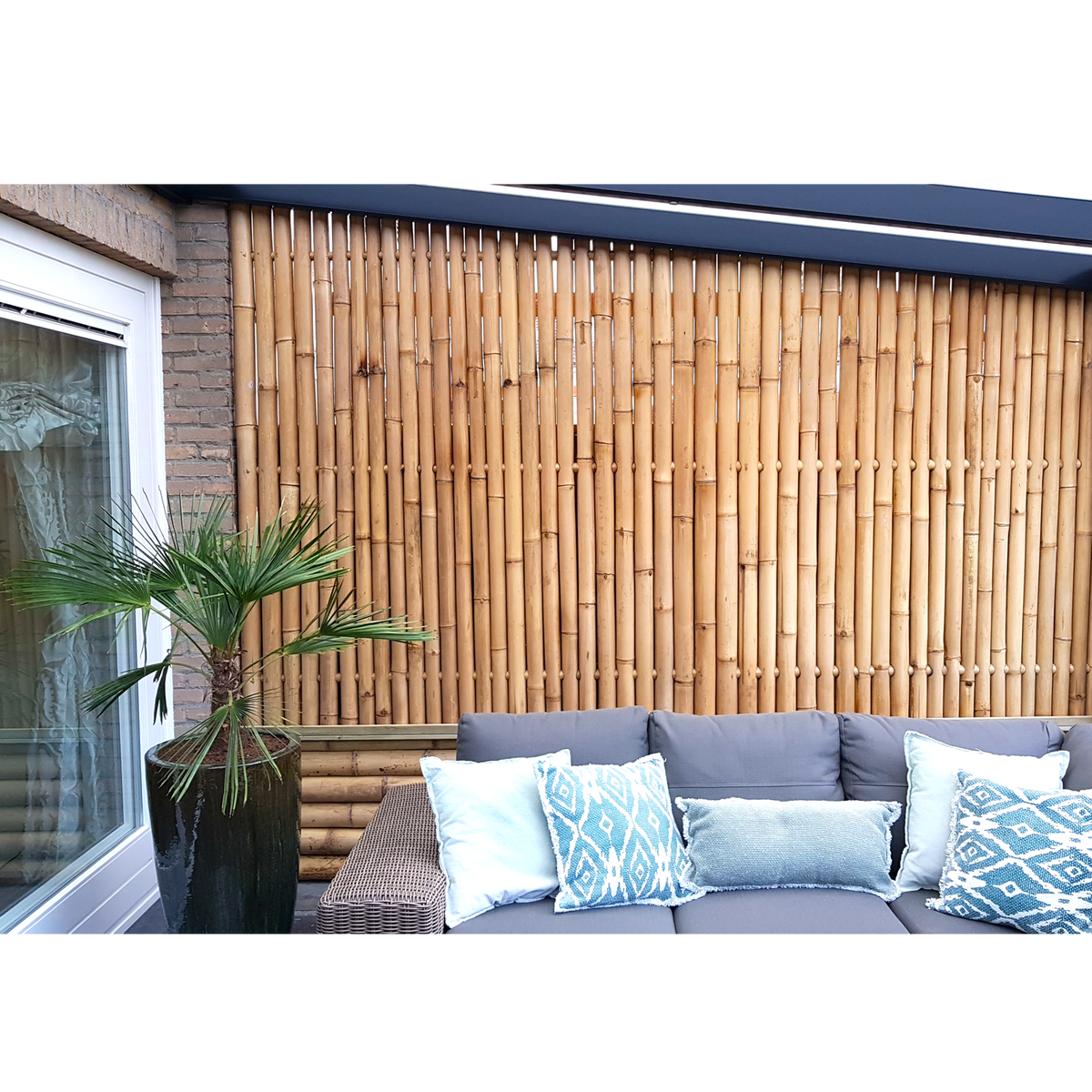
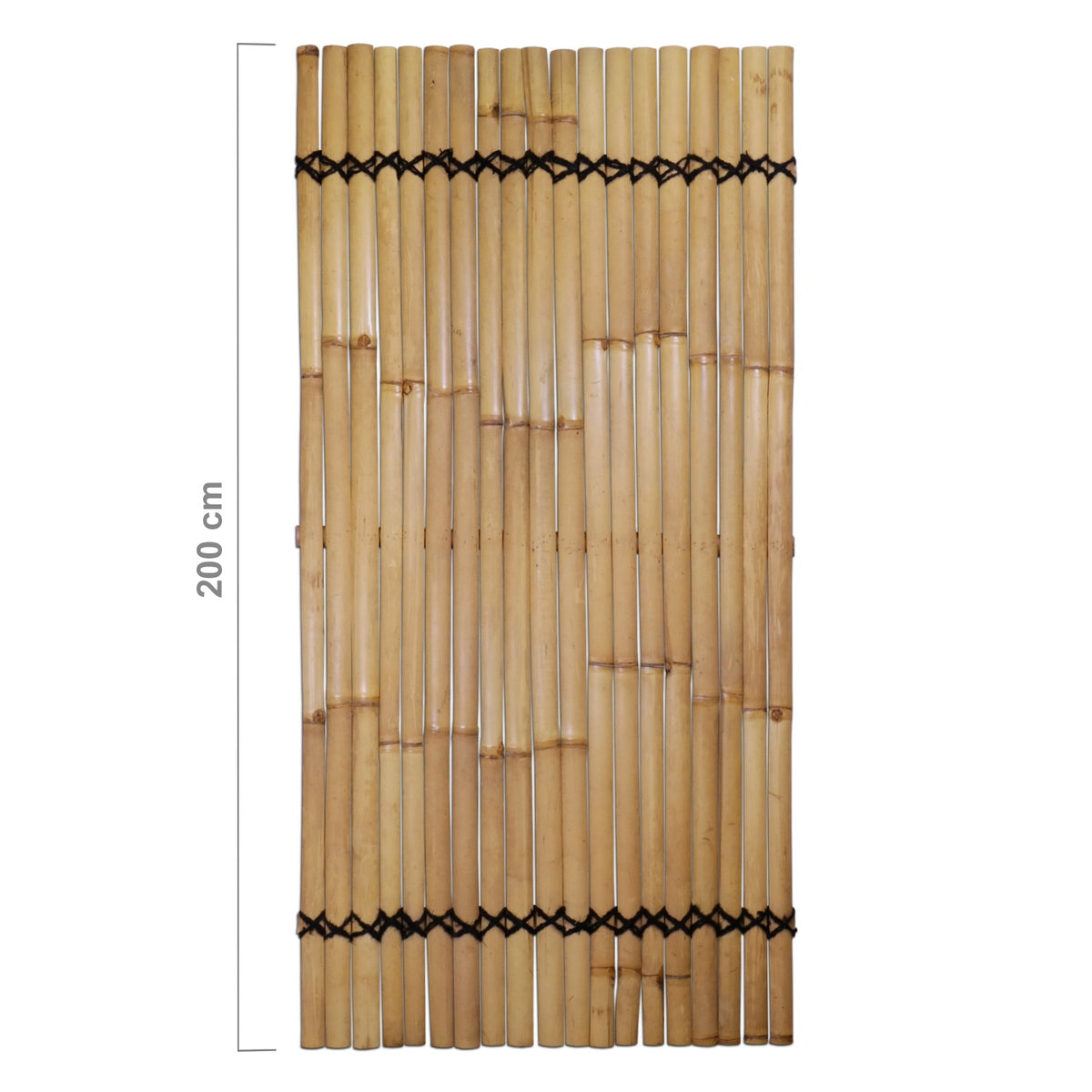
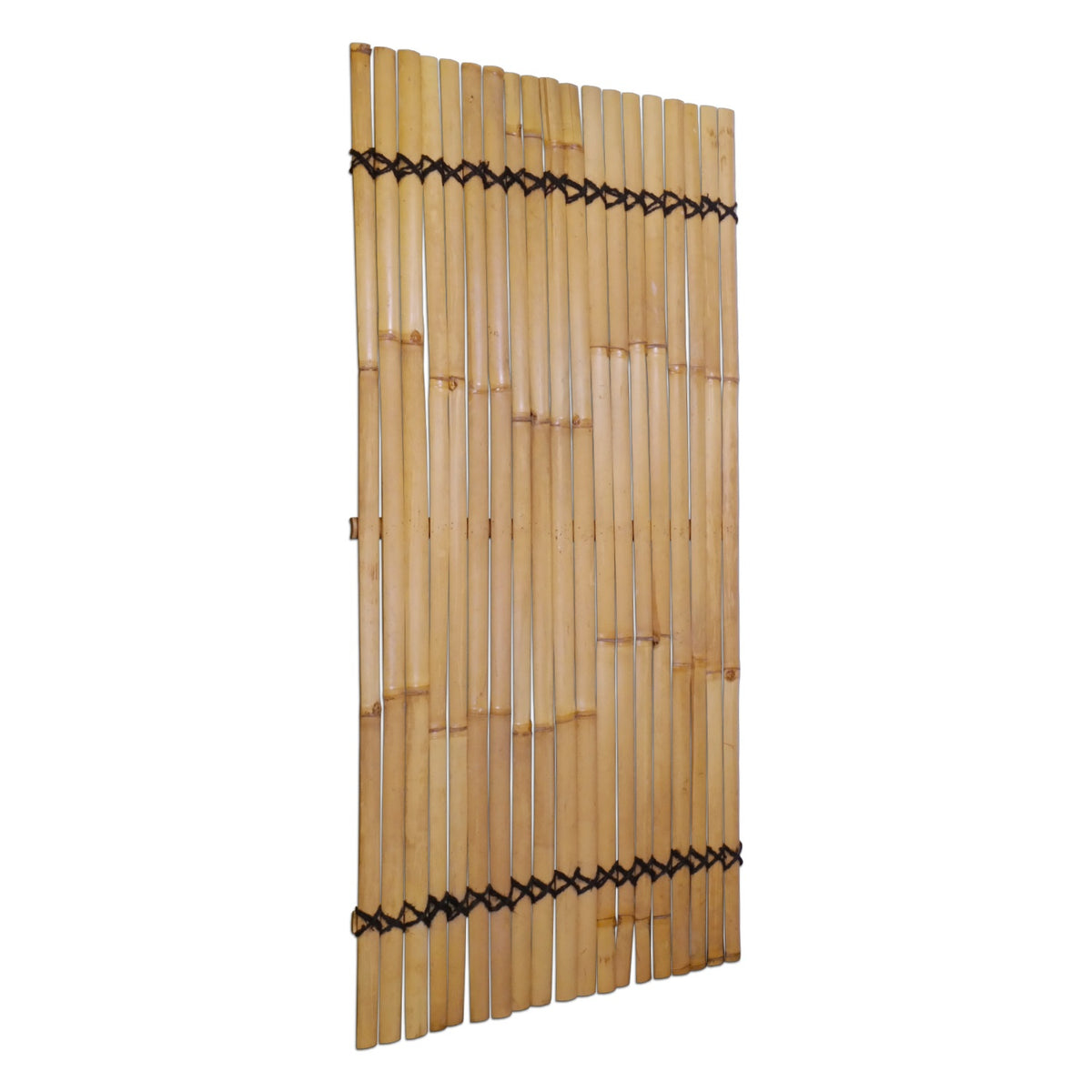
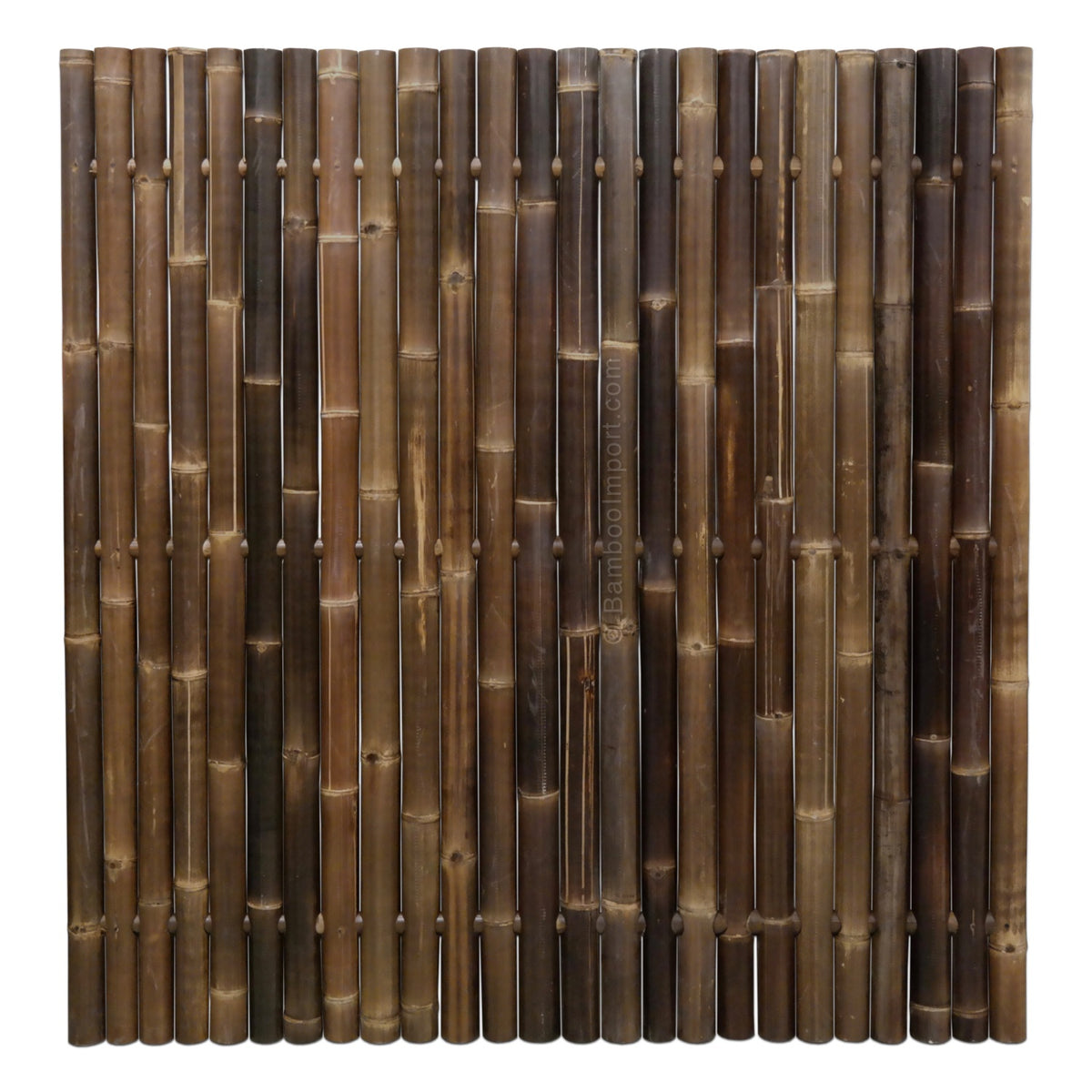
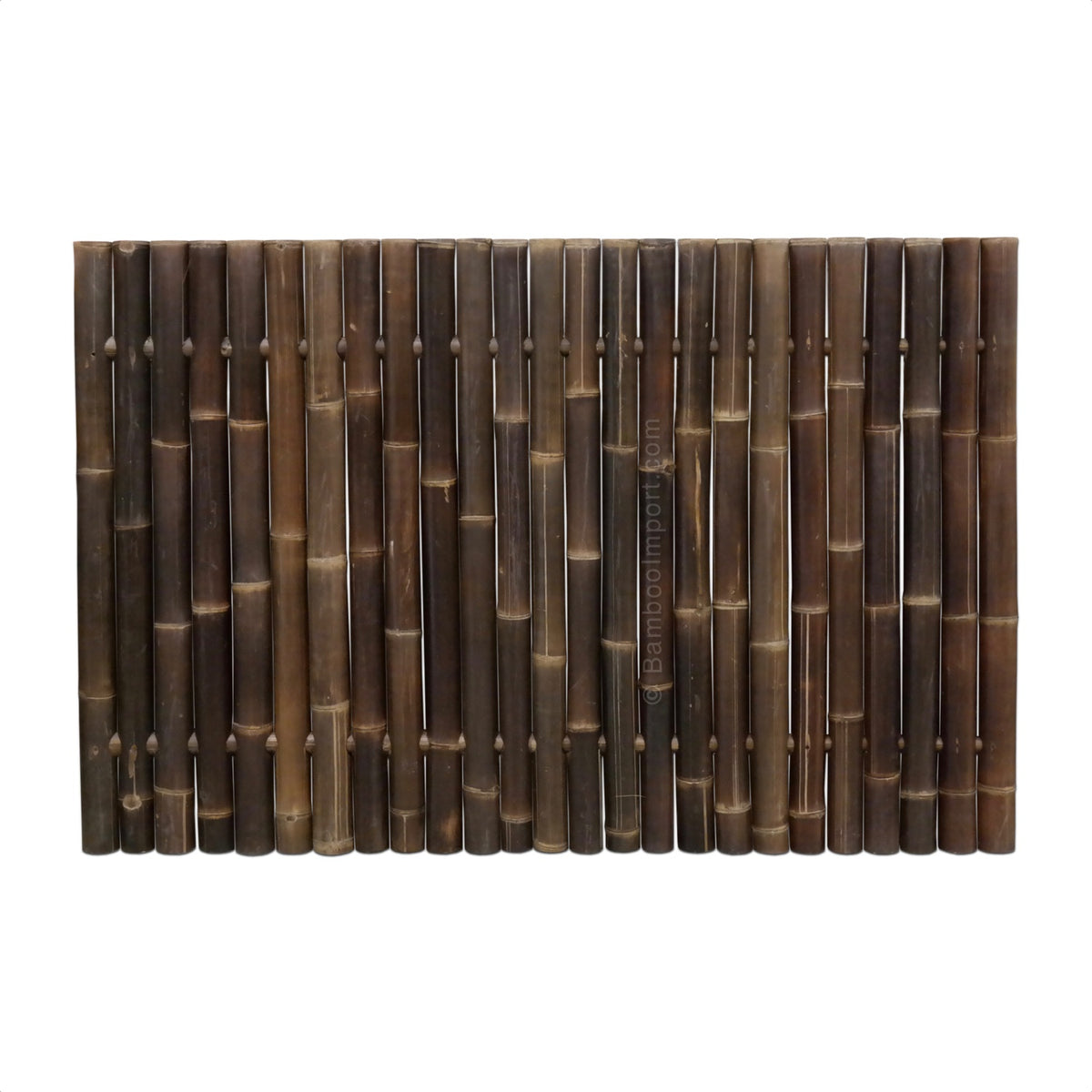
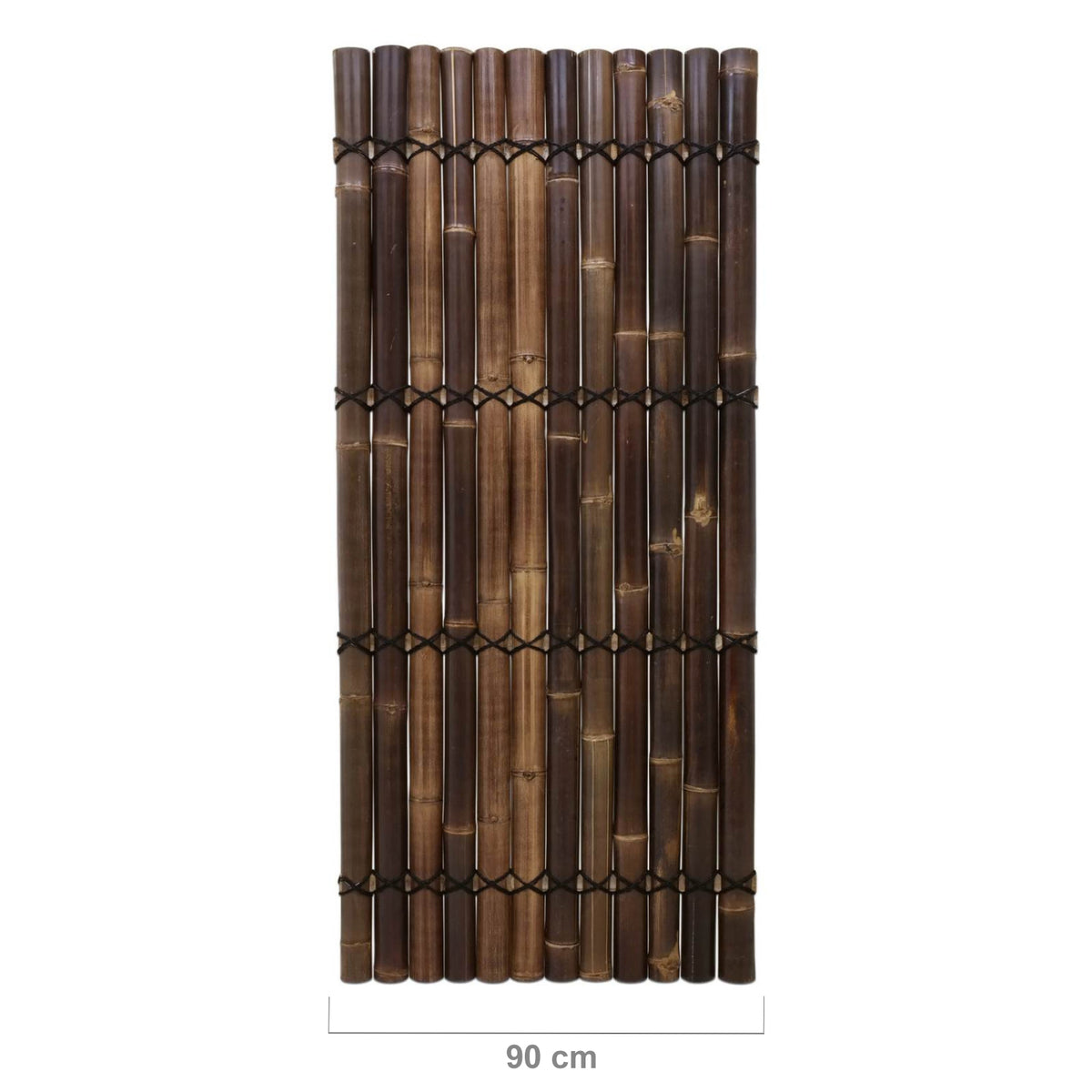
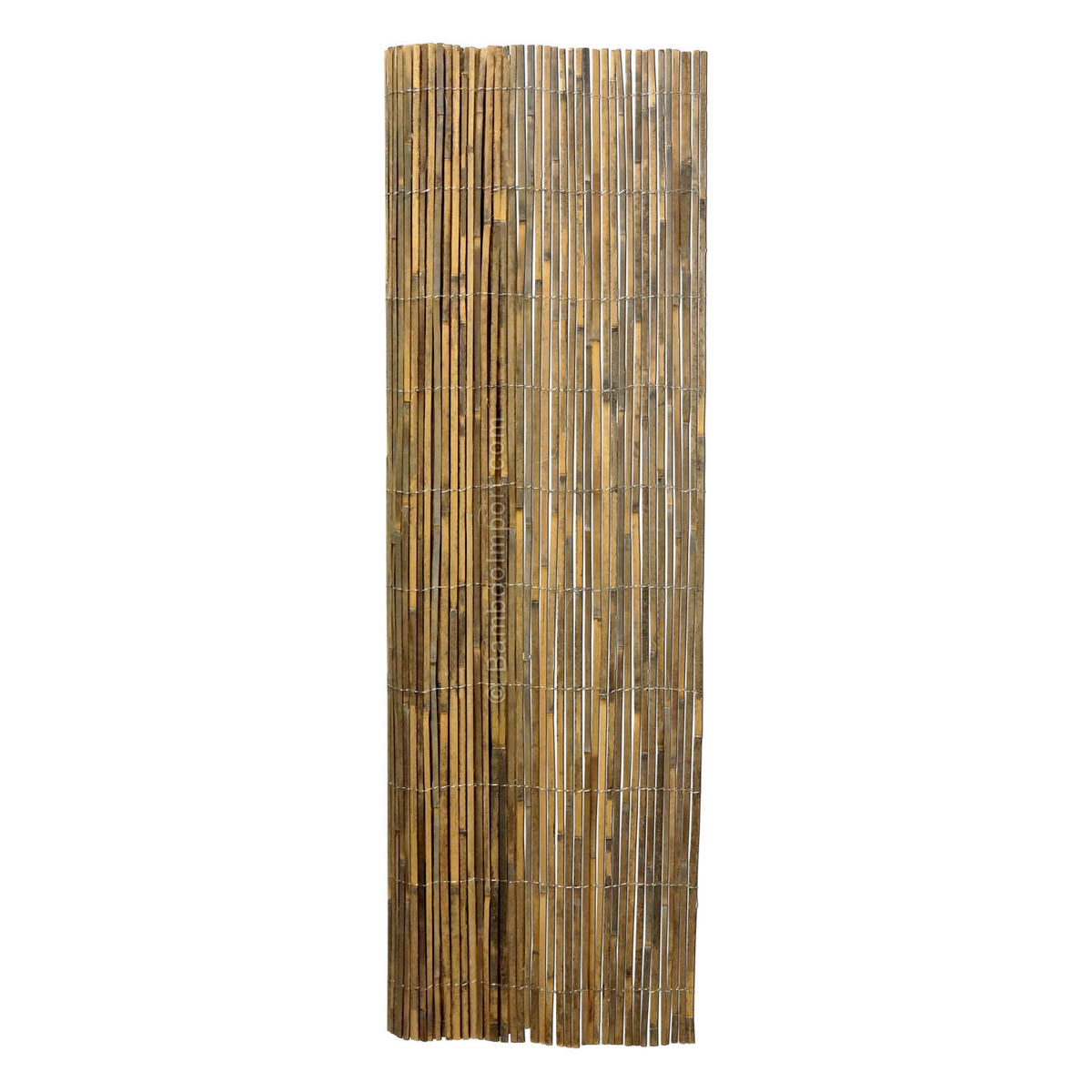
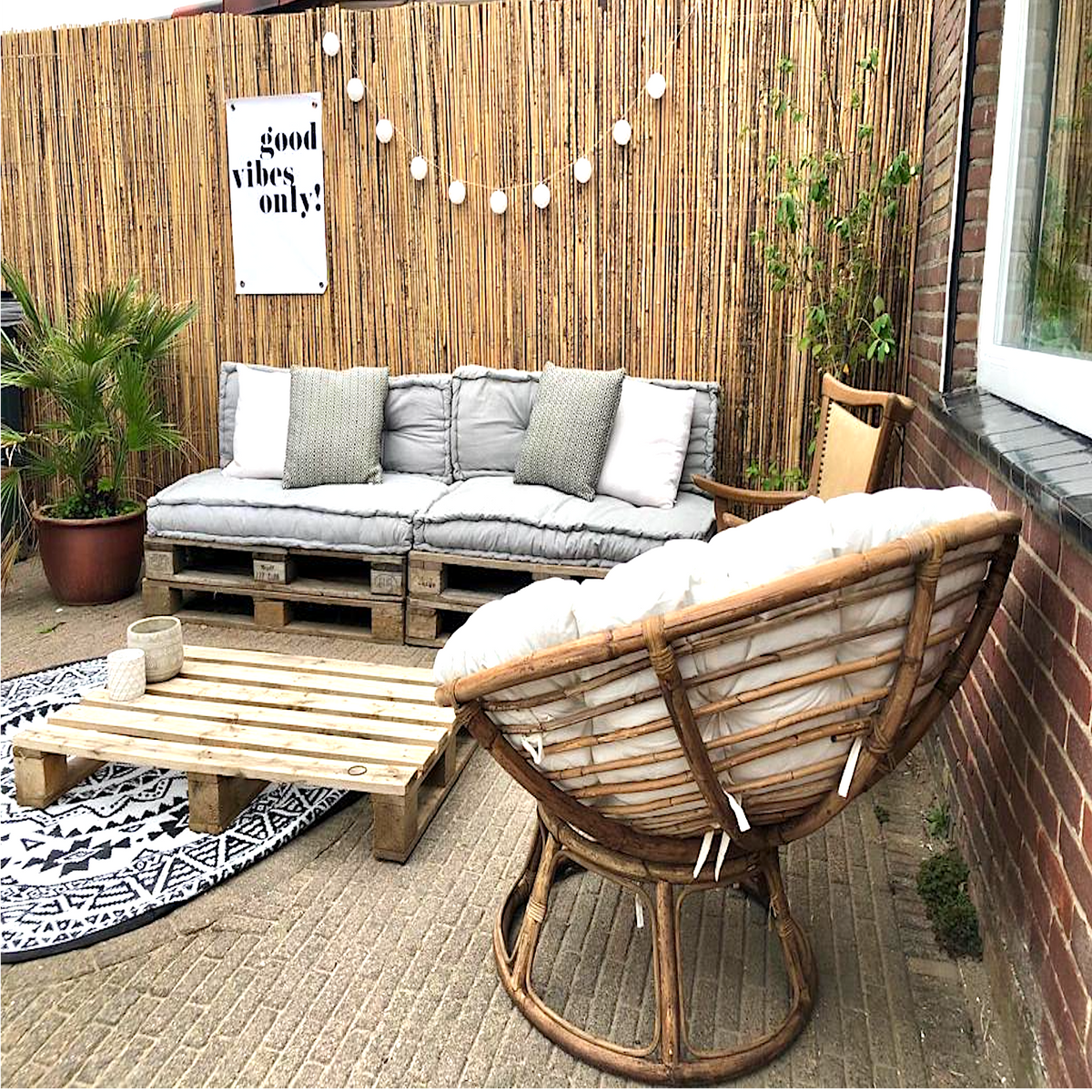
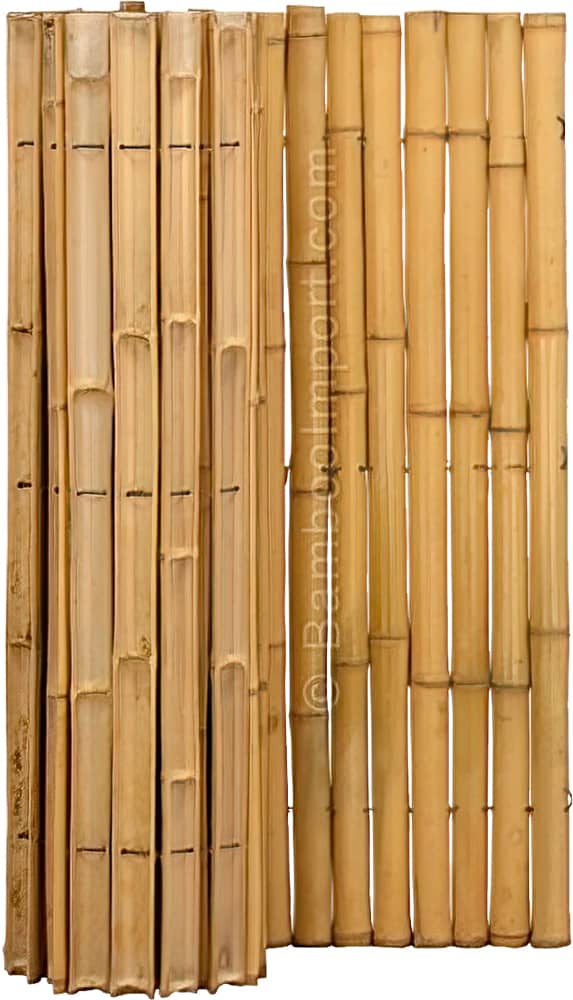
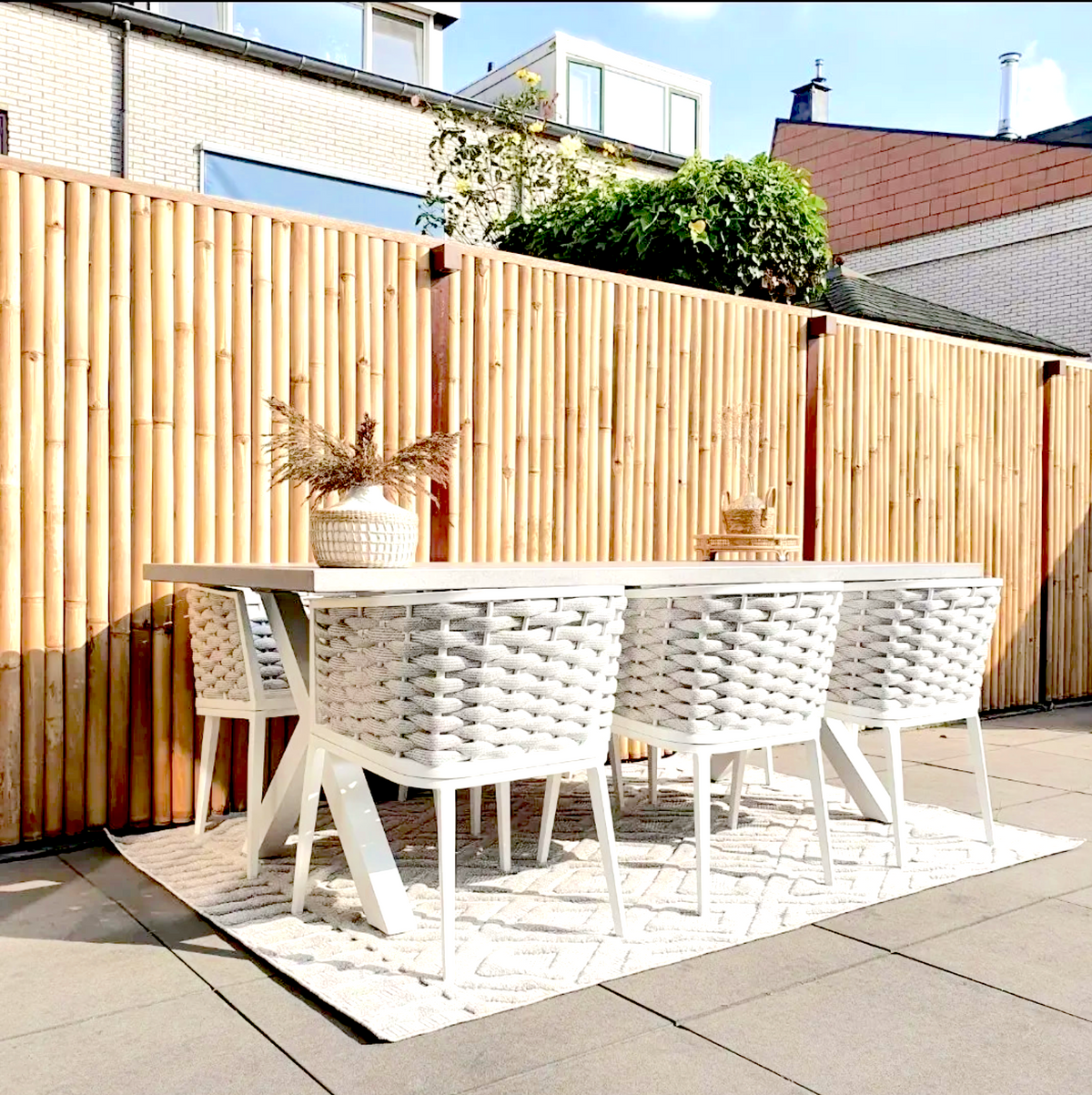
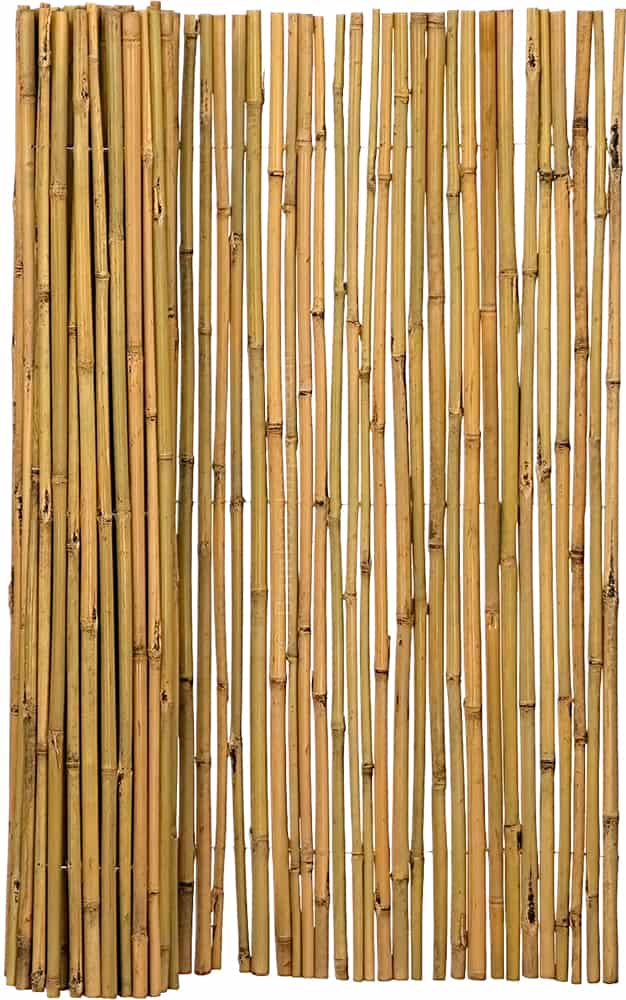
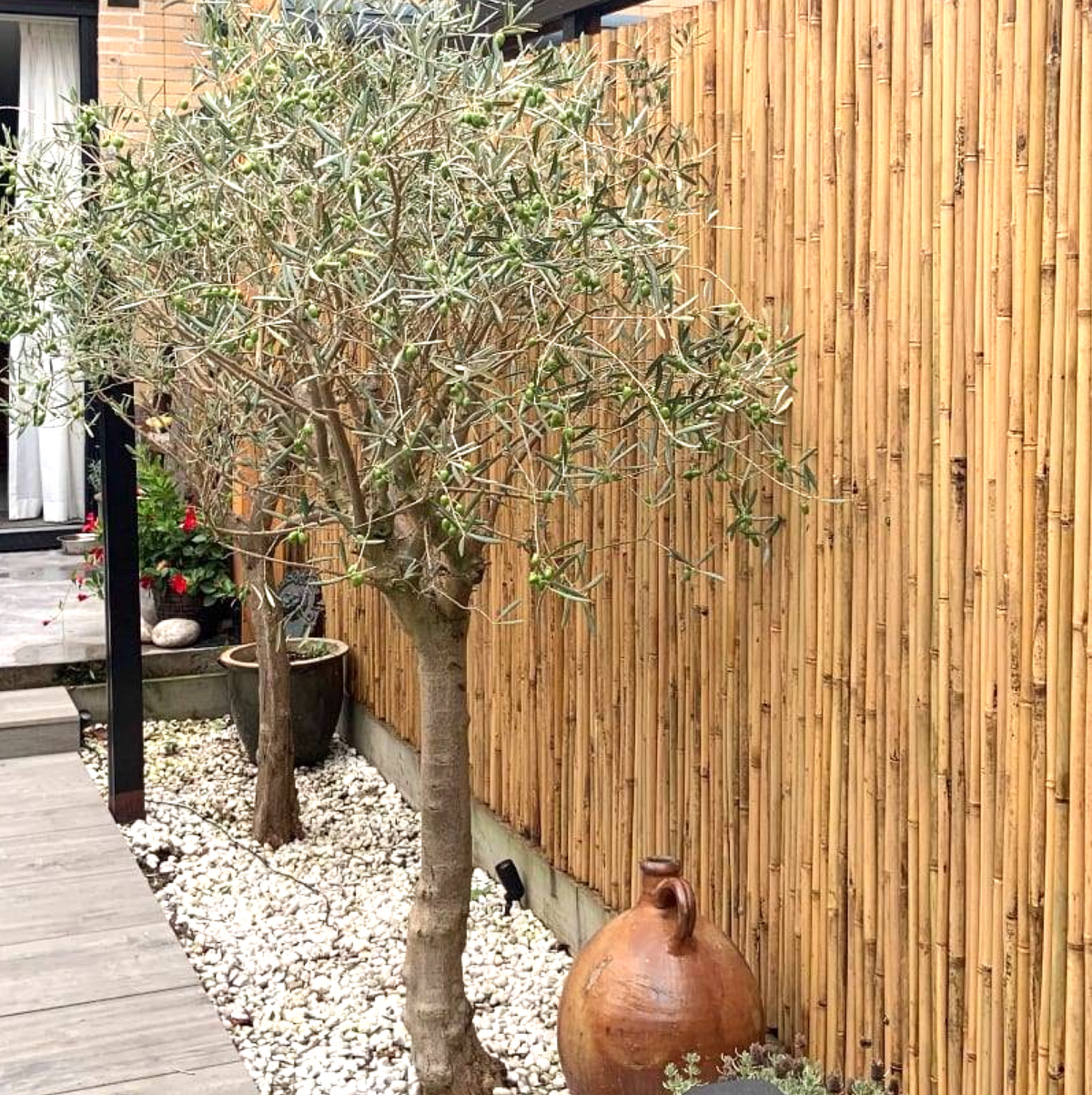
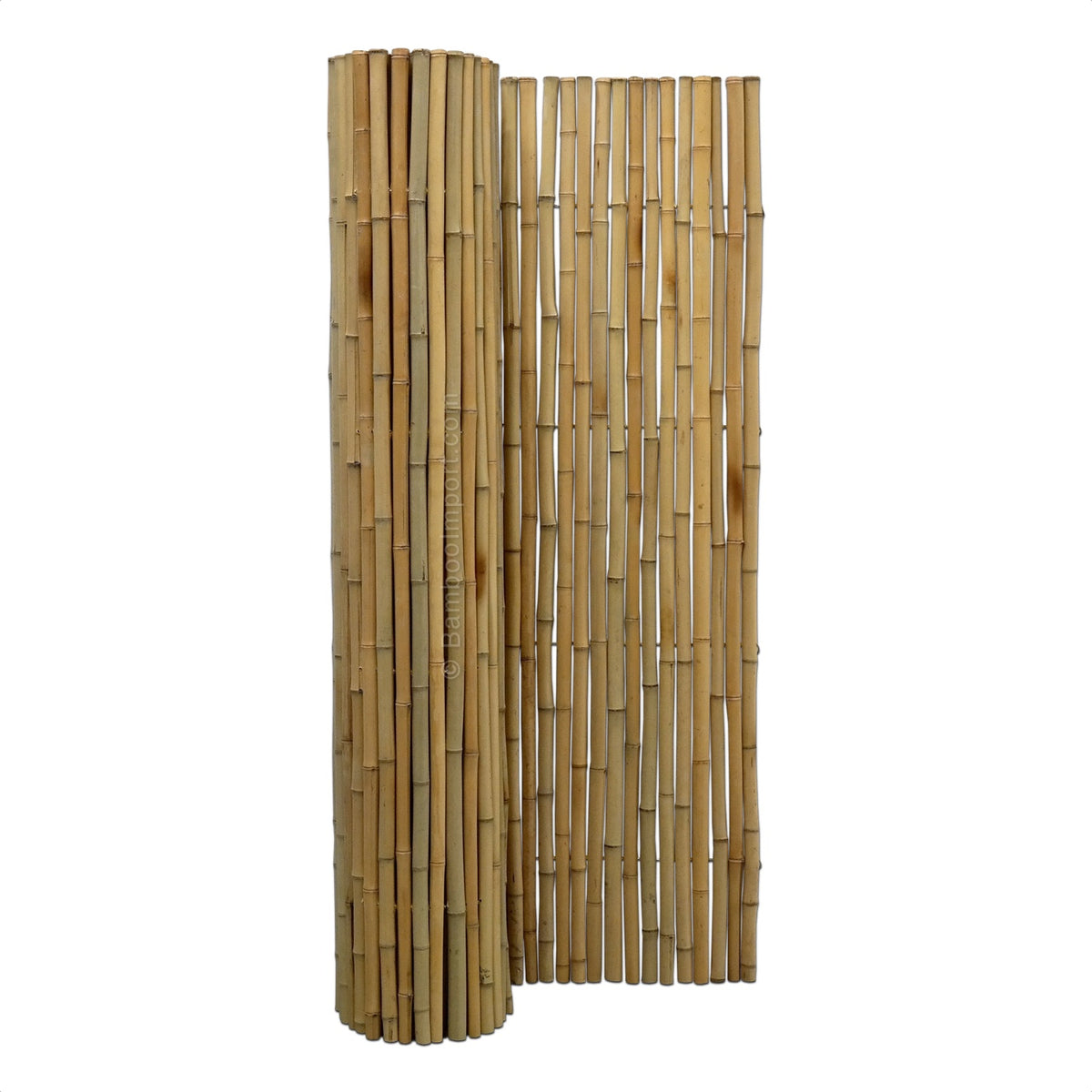
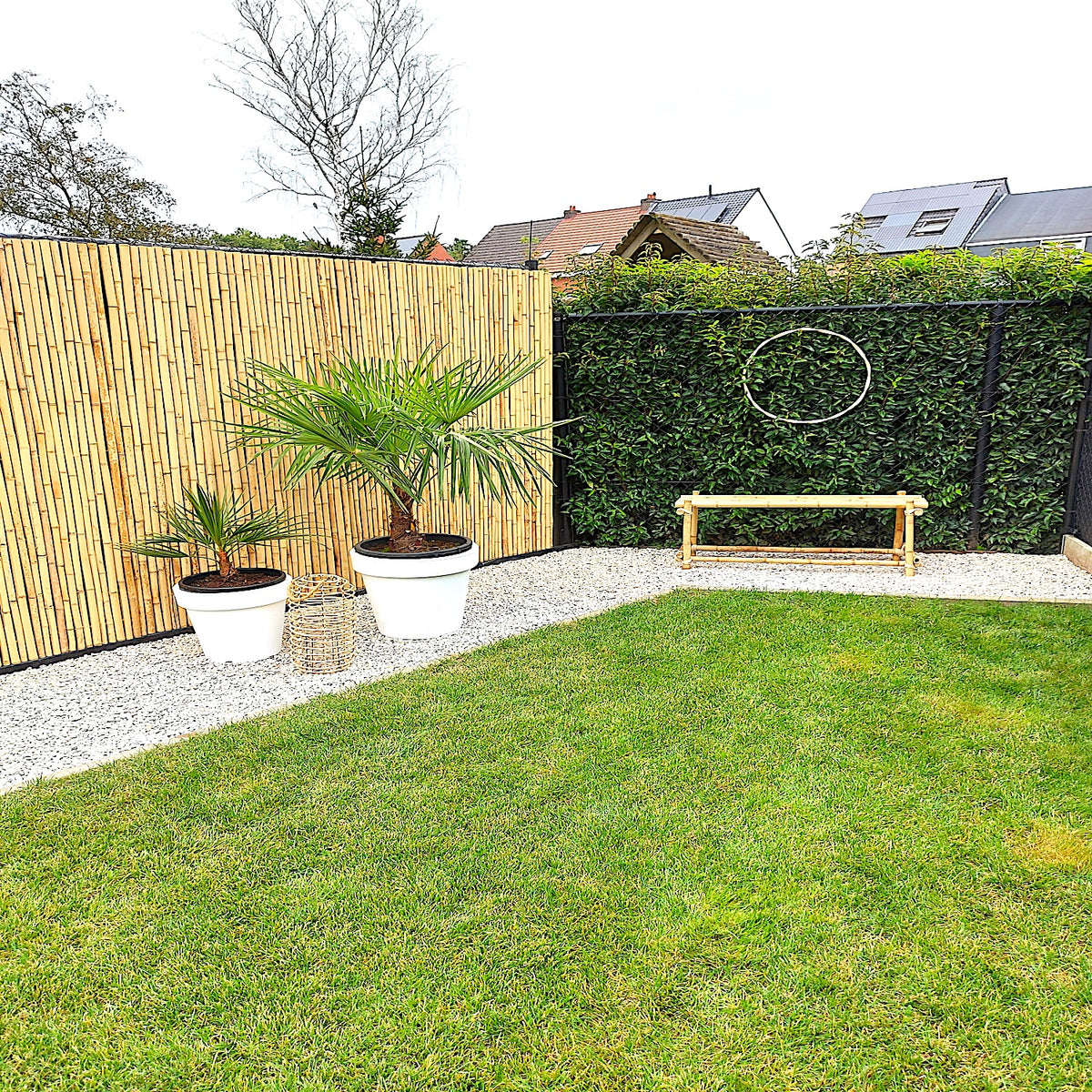
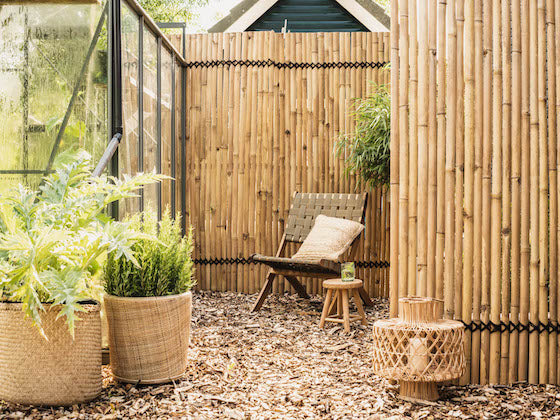
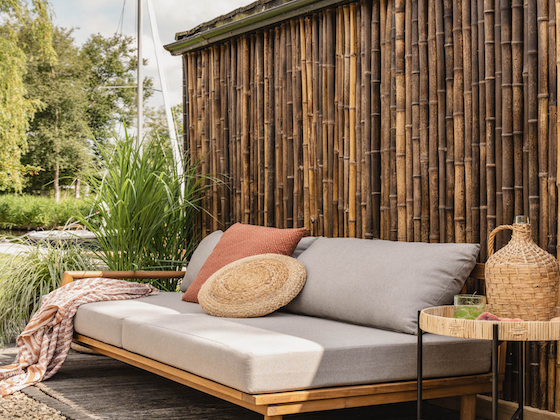
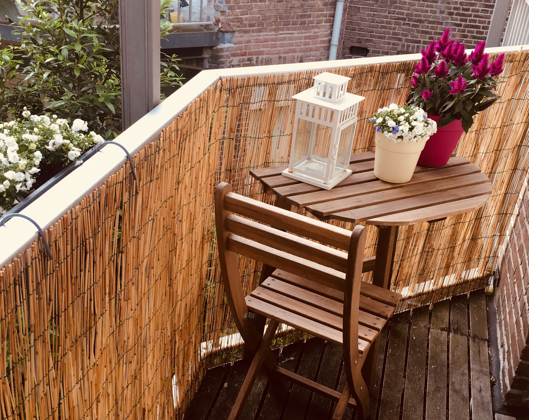
Bamboo screens and mats may seem like simple garden accessories, but when properly designed and manufactured, they take advantage of the material's natural stress distribution. Vertical segments don't bend easily, and the natural knots in the trunk provide structural stability.
Moreover, recent research at ETH Zurich shows that bamboo surfaces have unique acoustic and thermal properties . In urban environments, a properly placed bamboo screen can reduce sound reflection by 25-35%, while the open microstructure of bamboo mat adds up to 15% thermal insulation to fences or pergolas.
Biophilic design: the mental value of bamboo
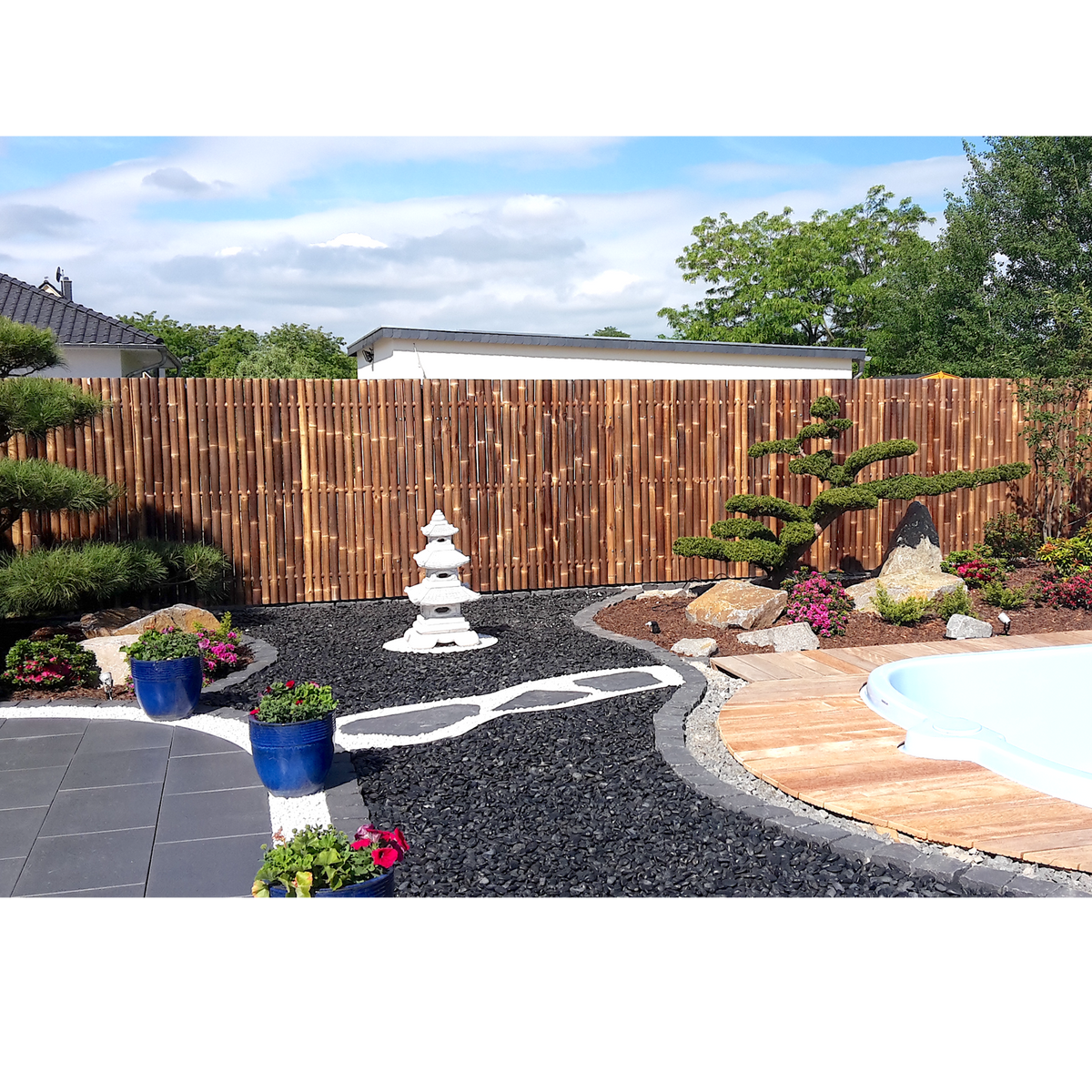
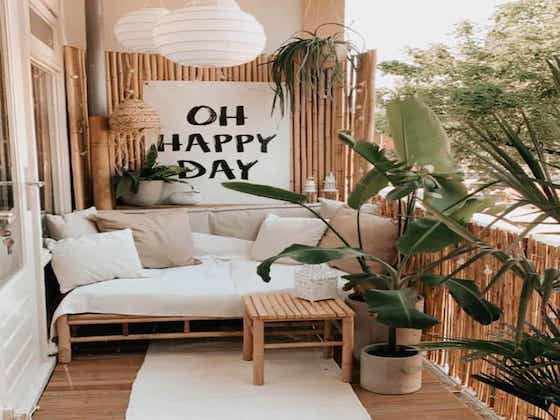
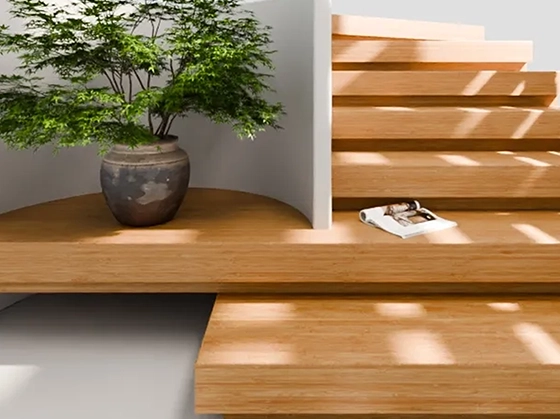
In addition to technical performance, bamboo scores high on biophilic design - a movement within architecture that seeks a deeper connection between people and nature. Bamboo has a psychological calming effect; the repetition of the natural segment structure is perceived as rhythmic and soothing. Landscapers use bamboo not only as a barrier or shield, but as "living interface" between man and nature.
This effect is measurable: research from Japan shows that natural materials like bamboo in gardens reduce heart rate and blood pressure, unlike synthetic alternatives.
Innovative applications: From passive air filters to smart bamboo mats
The next generation of bamboo products is already in development. In Asia and Europe, startups are experimenting with impregnated bamboo mats that filter particulate matter from the air, thanks to a coating of bioactive substances such as chitin or titanium dioxide. In the Netherlands, work is underway on "smart bamboo mats" with integrated moisture or temperature sensors that provide insight into the microclimate conditions of your garden via an app.
And there is more: researchers in Singapore are developing bamboo composites that combine nanoparticles with natural resins to extend the life of outdoor products up to 25 years - without chemical processing.
Bamboo is natural technology, not folklore
What once began as a traditional material in Asia has become a forward-looking building block for ecological design, high-tech gardening and sustainable urban development. Bamboo screens and mats have long since ceased to be merely aesthetic or "green" - they are structurally smart, mentally healing and technologically versatile.
Want to know more about bamboo building materials? Then check out the website of the specialist in bamboo building mat materials, bamboocontruct.com.